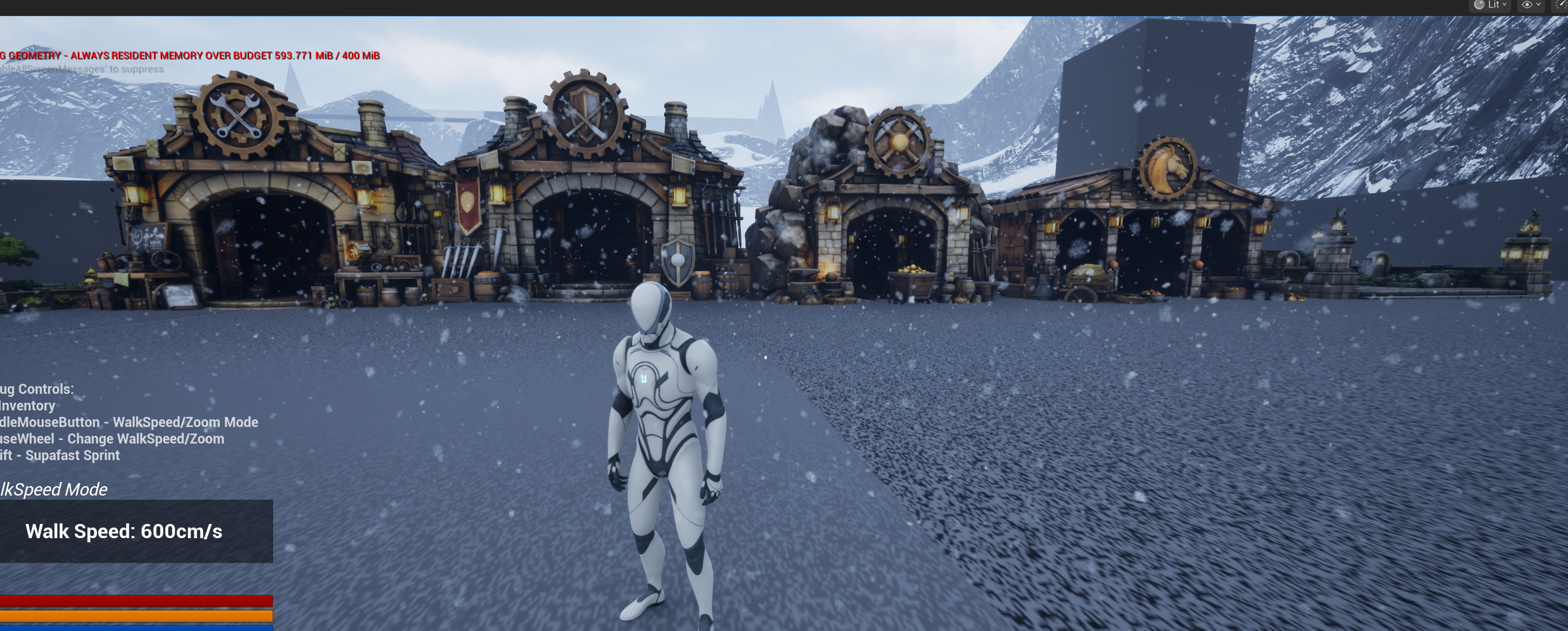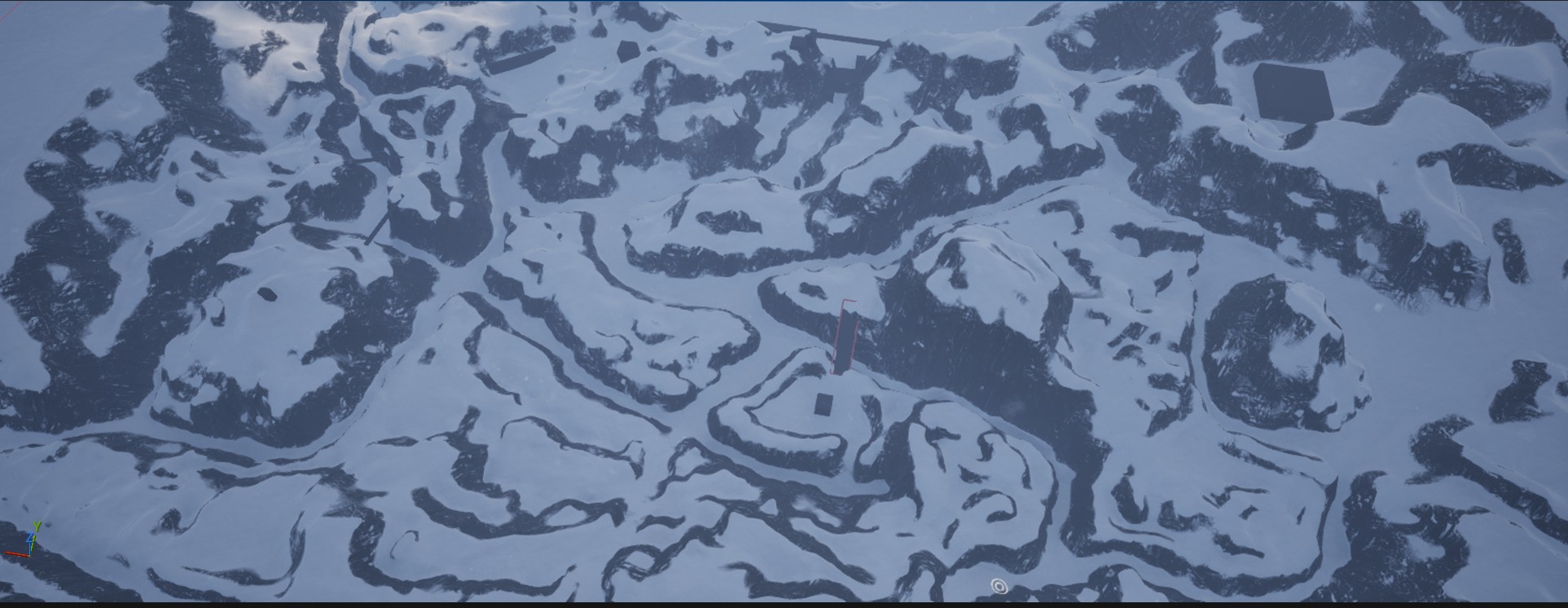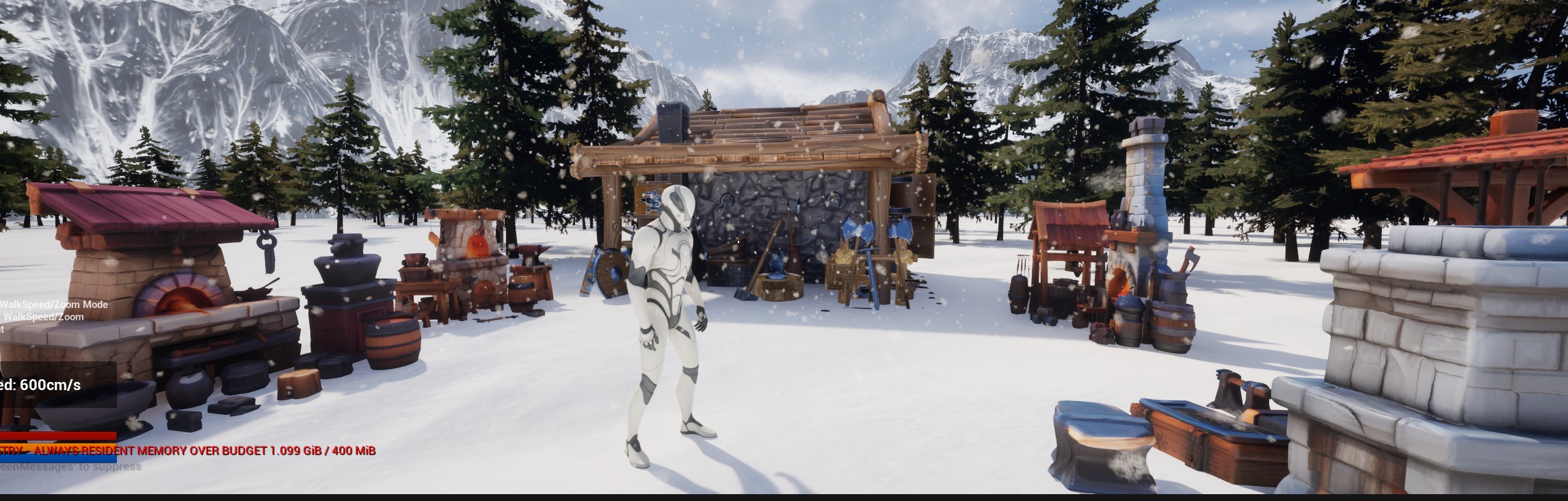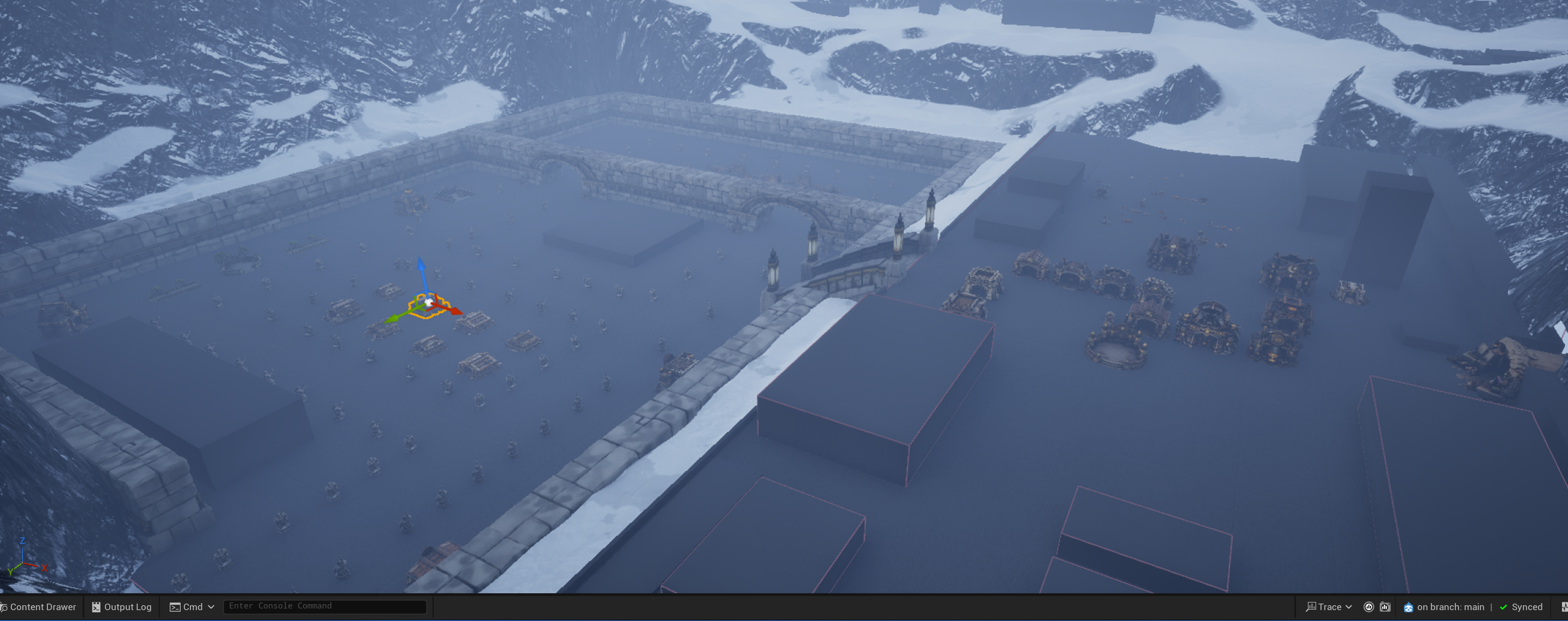
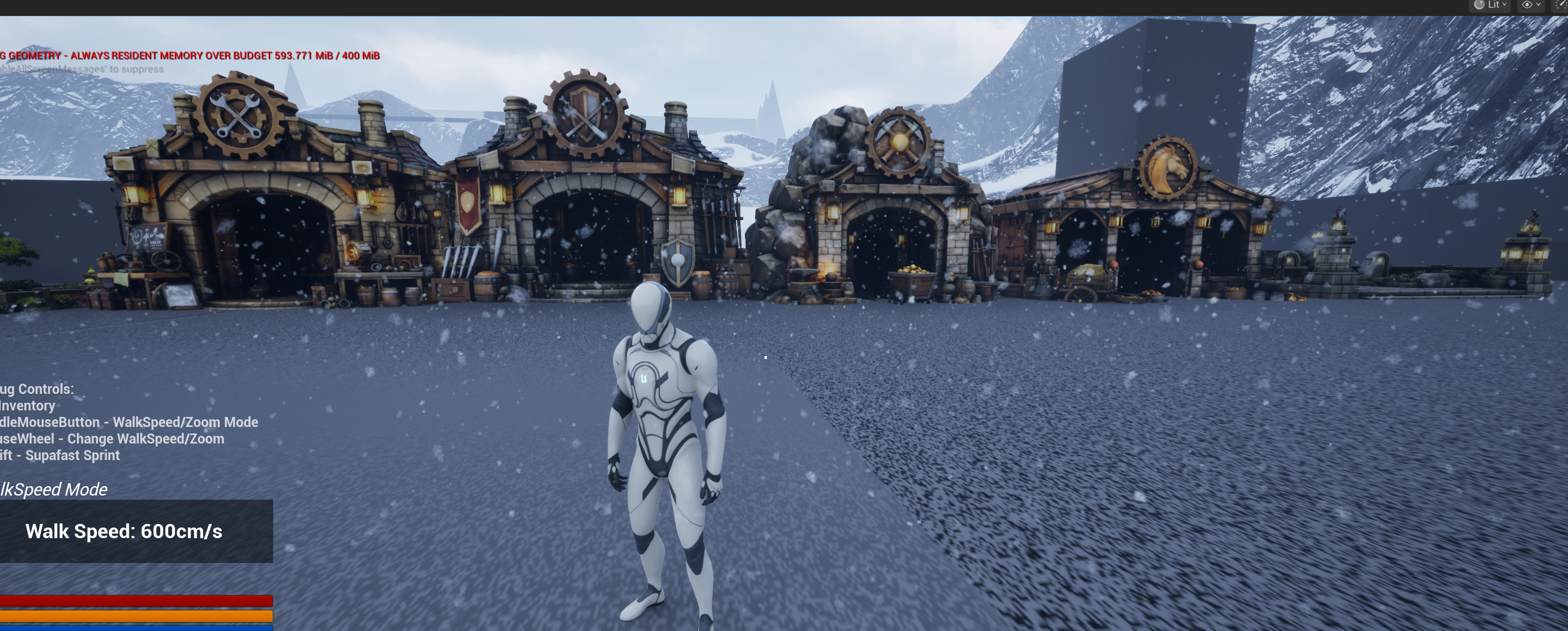
Big news — we've officially started mapping our very first city in Zephara! This is a huge milestone for us, and we wanted to share it with you even though what you're seeing right now is very much a work in progress. And when we say work in progress, we mean everything you see is placeholder.
We want to be completely upfront about that: every single asset in these screenshots is a placeholder. The buildings, the textures, the props, the colors — all of it is temporary. None of this represents what the final city will look like. These are stand-in shapes and rough forms that let us work on the things that matter most at this stage: layout, scale, and flow.
Why Placeholders First?
If you've been following our blog, you know that we always focus on getting the fundamentals right before polishing the visuals. Just like we did with our vertical slice map blocking, we're using placeholder art to answer the important structural questions first. Pouring hours into beautiful art on a poorly designed city layout would be wasted effort — so we build the skeleton first and dress it up later.
Placeholders let us iterate quickly. We can move entire buildings, widen streets, add or remove districts, and reshape the city without worrying about losing hours of finished artwork. It's messy, it's rough, and it's exactly where we need to be right now.
Still Finding Our Art Style
One of the biggest reasons everything is placeholder right now is that we're still actively exploring our art style. We've shared some of our art direction explorations before, and that process is very much ongoing. We know the feeling we want — cozy yet adventurous, lived-in yet fantastical — but translating that feeling into a consistent visual language for an entire city takes time and a lot of experimentation.
Every building, every sign, every market stall, every cobblestone path needs to feel like it belongs in the same world. That's a massive undertaking, and we'd rather take the time to get it right than rush out visuals that we'll end up replacing anyway. When we do land on the final art style, the entire city will be completely redone with proper assets that bring the world to life the way we envision it.
Measuring Scale & Travel Times
The other critical thing we're figuring out with these placeholders is scale. How big should a city actually feel? How long should it take to walk from the main gate to the central market? From the tavern district to the crafting quarter? From one end of the city walls to the other?
These aren't trivial questions. Get the scale wrong and the city feels either like a cramped theme park where you bump into a shop every two steps, or an empty wasteland where buildings are scattered so far apart that walking between them feels like a chore. We're running our character through the placeholder city over and over, timing routes between key locations, adjusting distances, and making sure that getting around feels natural — not tedious, but not instant either.
We want cities in Zephara to feel like real places with real distances. Running across town should feel like a short journey, not a loading screen transition. You should pass interesting things along the way — NPCs going about their day, shop displays that catch your eye, alleyways that make you curious. The placeholder layout helps us nail all of this before we commit to final art.
"A city's layout tells a story before a single quest is given. The distance between the slums and the palace, the width of the merchant streets versus the back alleys, how far the walls extend — all of it communicates something about the people who built this place and the lives they live here. We're using placeholders to write that story in space before we write it in words."
What We're Testing Right Now
With the placeholder city laid out, here's what we're actively measuring and iterating on:
- Travel times between key locations: Making sure it feels right to walk from point A to point B — interesting enough to not be boring, short enough to not be frustrating
- Sight lines and landmarks: Can the player naturally orient themselves? Can they see the central tower from most streets? Do landmarks help with wayfinding?
- District identity: Even with placeholders, each area of the city should feel distinct in its layout and density
- NPC path planning: Mapping out where NPCs will walk, where crowds will gather, and where quiet corners will exist
- Combat readiness: If conflict happens in the city, there need to be interesting spaces for it — tight alleys, open plazas, multi-level rooftops
Everything Will Be Completely Redone
We really can't stress this enough: everything you see in these city screenshots will be completely redone. The placeholder art is purely functional, not final. When our art style is locked in and our artists begin the final pass, this city will be transformed from rough blocks into a living, breathing settlement full of detail, character, and atmosphere.
We're sharing this now because we believe in being transparent with our community. We'd rather show you the messy, honest reality of game development than go quiet for months and eventually reveal a polished screenshot that doesn't tell the full story. This is how games are actually made — one rough block at a time, tested, adjusted, iterated on, and eventually brought to life.
Thank you for following along on this journey. We're incredibly excited to be at the stage where we're building actual cities, even if they're made of placeholder blocks right now. The best is absolutely yet to come, and we can't wait to show you what this city eventually becomes.
Have thoughts on city design in RPGs? Things you love or hate about how other games handle urban spaces? Come tell us on Discord — your feedback genuinely helps shape the world we're building!