At ZT Games, we believe in transparency. In an industry where trust between developers and players is precious, we've decided to pull back the curtain completely and show you exactly how we approach asset creation for Zephara — and make a crystal-clear commitment about our values when it comes to artists and the creative community.
This is a conversation we've wanted to have for a while. We know that discussions about AI tools in game development can be contentious, and we respect the passion behind those conversations. So let's talk openly about what we do, why we do it, and most importantly, what we will never do.
Our Creative Workflow
Creating the world of Zephara is fundamentally a human journey. Every creature, every building, every piece of armor begins as an idea born from human imagination. Our development workflow follows three main phases, each building upon the last — and human creativity drives every single one.
Phase 1: Collaborative Ideation
Everything begins with ideas. Our team gathers — sometimes in person, sometimes over Discord late at night — to brainstorm concepts for assets. Whether it's a new creature, a piece of armor, an environmental prop, or an entire location, these conversations are where Zephara truly comes to life.
We discuss the lore implications: "Would a Frostborne blacksmith use the same techniques as a Verdant craftsman?" We debate gameplay requirements: "Should this dungeon feel claustrophobic or awe-inspiring?" We argue over visual aesthetics: "Does weathered bronze feel right for ancient Titan artifacts, or should they be pristine despite millennia underground?"
These sessions are messy, passionate, and wonderfully human. They're where the heart of Zephara's world takes shape through creativity, imagination, and the collision of different perspectives. No AI can replicate the spark that happens when someone says "What if..." and the whole room leans in.
Phase 2: Concept Development
Once we have a solid idea, we move to the concept phase. This can take two forms depending on the asset and our resources:
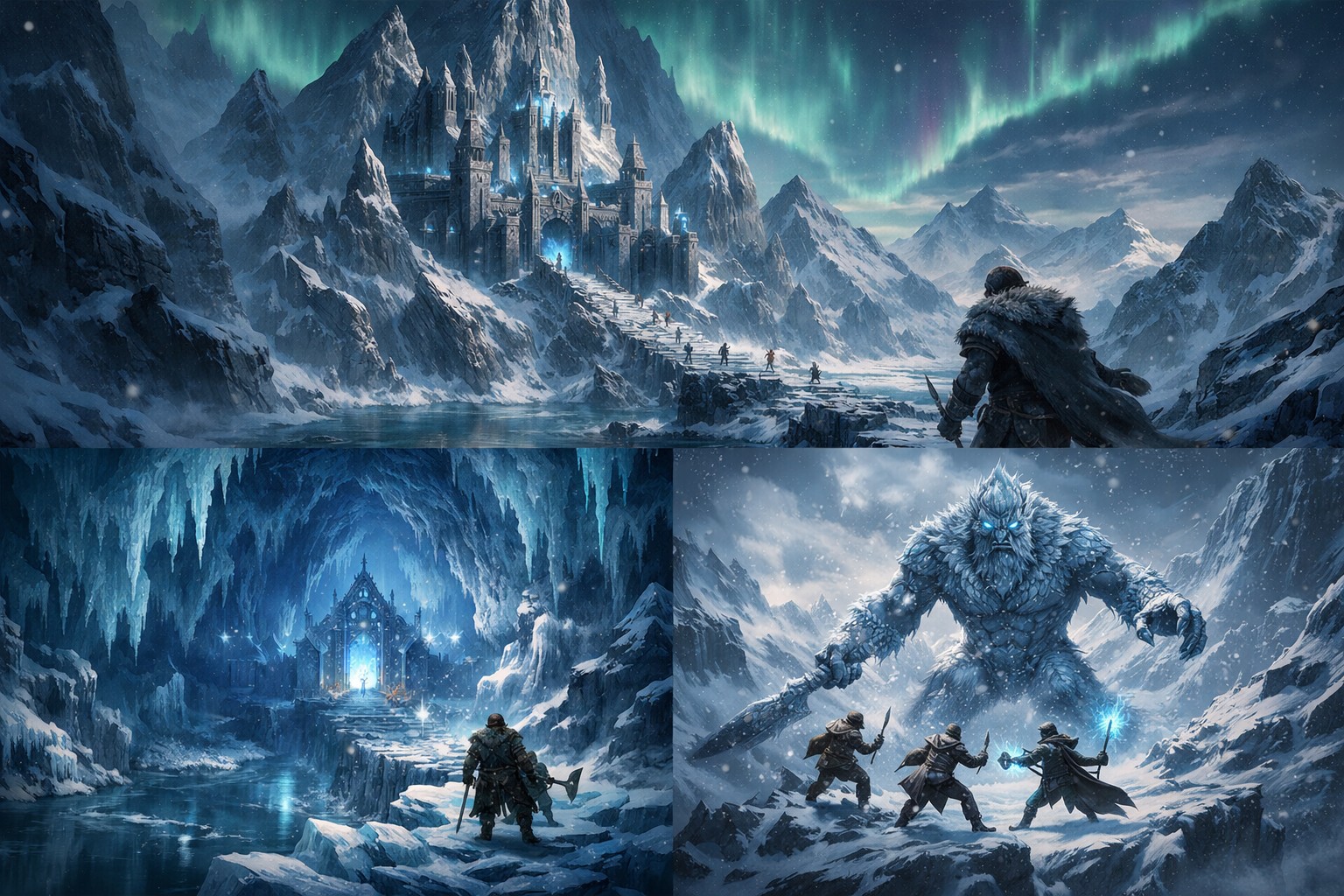
- Visual Concept Art: Rough sketches, mood boards, and visual references that capture the essence of what we're trying to create. Sometimes these are napkin doodles from our brainstorming sessions; other times they're more refined explorations.
- Written Descriptions: Detailed text explanations that describe the asset's appearance, materials, proportions, cultural context, and how it fits into the world. For example, a weapon description might include not just how it looks, but what civilization created it, why, and what stories it should evoke when a player finds it.
Both approaches serve the same goal: establishing a clear, human-crafted vision before moving to production. This foundation ensures everyone on the team understands exactly what we're building, why it matters to the world, and how it serves the player's experience.
Phase 3: Prototyping with Meshy
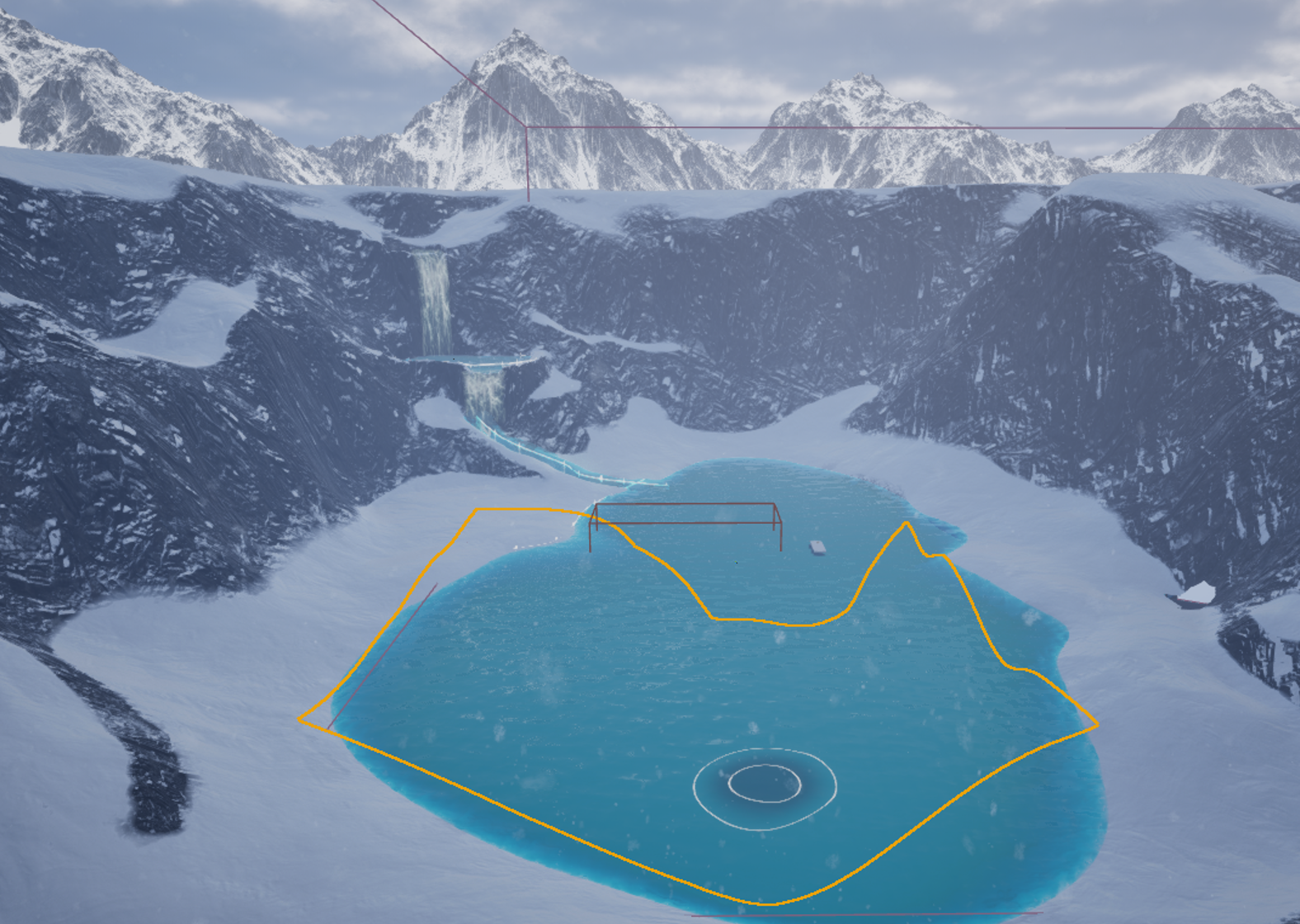
Here's where we want to be completely, unambiguously transparent: we use Meshy, an AI-assisted 3D generation tool, to help us quickly prototype and visualize our concepts. This tool helps us piece together rough versions of assets so we can evaluate scale, proportion, and how elements fit together in the game engine.
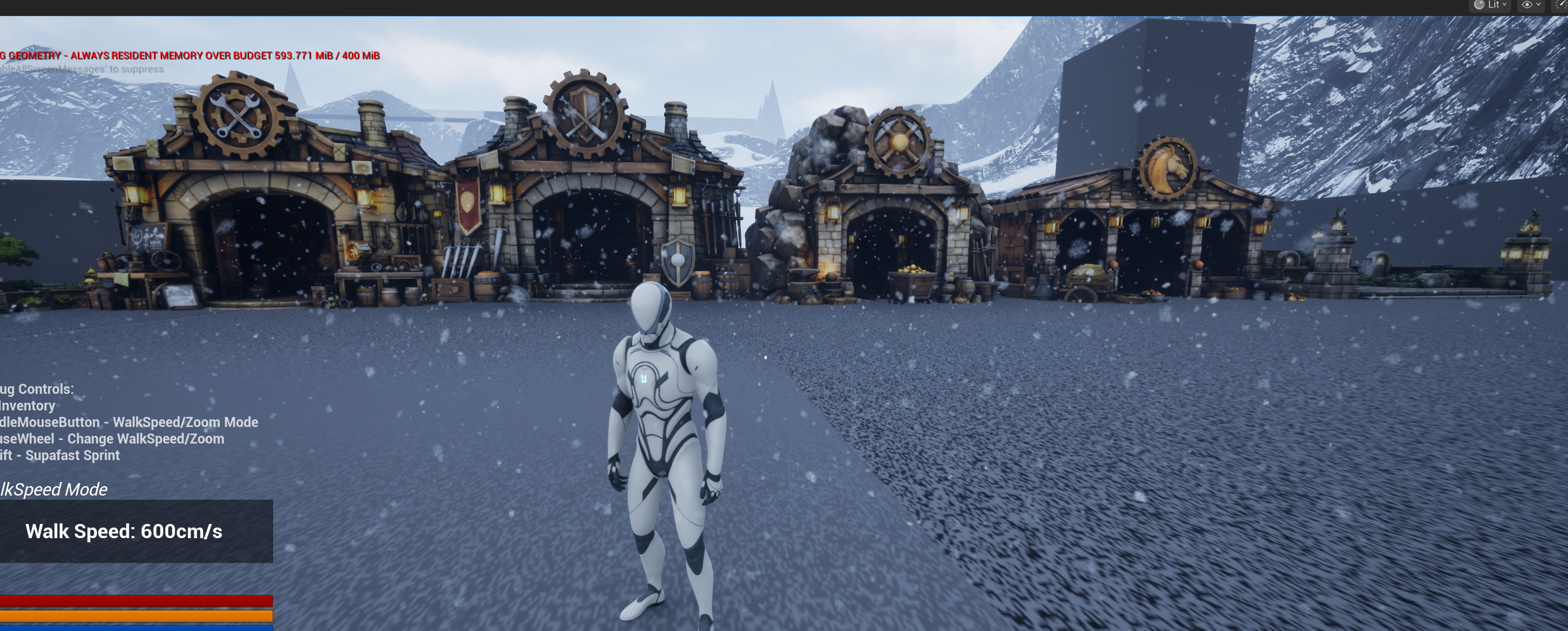
You can see this in action in the image above — that's a placeholder mannequin character standing in front of some of our early building concepts. They're rough. They're not final. And they never will be. These prototypes serve one purpose: helping us test gameplay, iterate on designs, and communicate our vision more effectively during development.
Think of it like an architect using quick 3D modeling software to visualize a building before bringing in skilled craftspeople to construct the real thing. The visualization helps everyone understand the vision, but nobody would live in a house built from placeholder models.
"AI tools help us visualize quickly, but they could never replace the soul that human artists bring to their work. A procedurally generated rock is just geometry. A rock placed by an artist tells a story — maybe someone rested here once, maybe it marks a boundary between territories, maybe it's been smoothed by countless travelers touching it for luck. That intentionality, that meaning, can only come from human hands."
Our Commitment: AI Assets Are Not in the Final Game
We want to be absolutely clear about this: Any assets created with generative AI assistance or AI tools will NOT appear in the final release of Zephara. Not textures. Not models. Not concept art that gets directly translated to final assets. None of it.
These AI-assisted assets serve one purpose only: rapid prototyping during development. They allow us to:
- Test gameplay mechanics and level layouts — We can block out a dungeon with placeholder assets to test if the combat flow feels right before commissioning final art
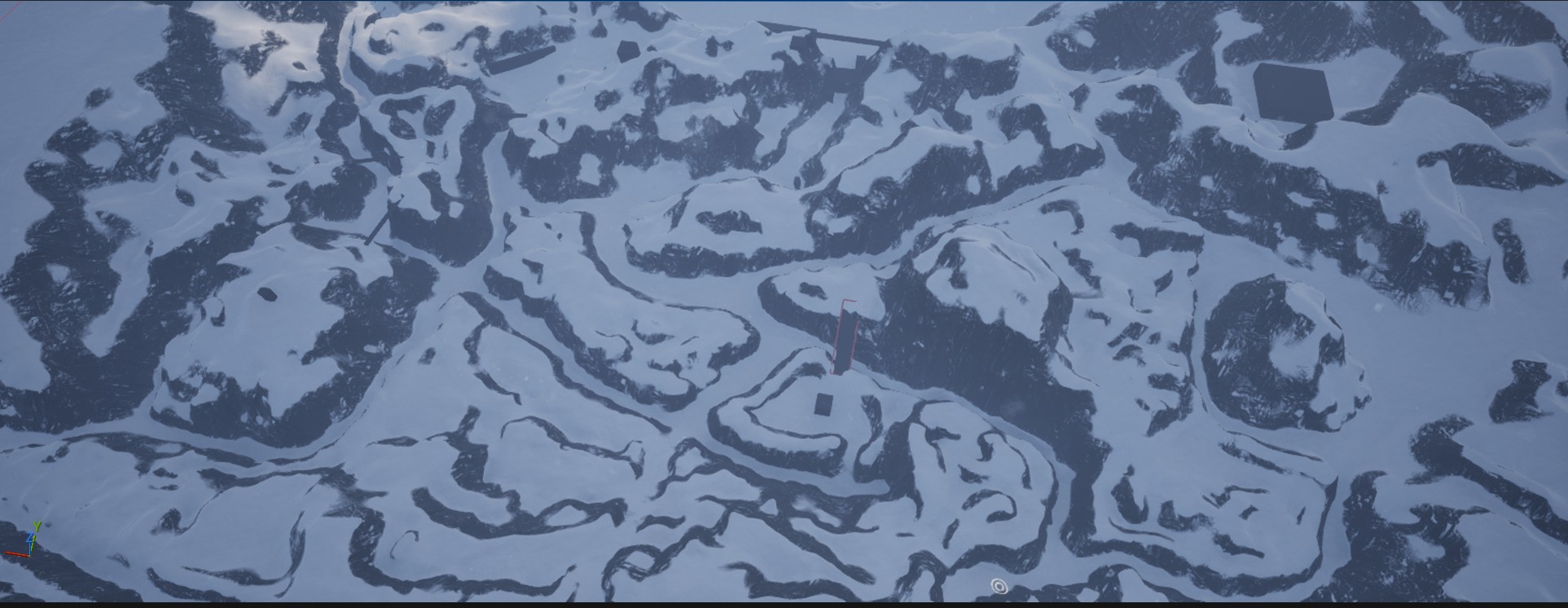
- Evaluate visual concepts at scale — Seeing how a building style looks when repeated across a village helps us refine our direction before an artist invests time in final assets
- Communicate ideas more effectively — A rough 3D model, however imperfect, helps our team discuss changes more concretely than verbal descriptions alone
- Iterate faster during early development — We can fail fast on ideas that don't work without wasting precious artist time on concepts we'll abandon
When it comes time for final production assets — the ones you'll actually see in the released game — those will be created by talented human artists. Period. Full stop. No exceptions. No asterisks. No "AI-assisted final touches." Human artists, creating human art.
Supporting Artists, Not Replacing Them
We could never — and would never — replace human artists. The creative vision, emotional depth, storytelling through visual design, and the unique touch that artists bring to their work is irreplaceable. AI tools cannot replicate the human experience, cultural understanding, and artistic intuition that make game art truly memorable.
Think about your favorite moments in games. The sword that felt right in your hand. The vista that made you stop and take a screenshot. The character design that told you everything about a person before they spoke a word. Those moments exist because a human artist made choices — intentional, meaningful choices informed by their own experiences, emotions, and understanding of what moves people.
Our hope is to bring jobs to artists, not take them away. As Zephara grows and moves closer to its full vision, we plan to commission artists for:
- Character designs and final 3D models — Every race, NPC, and creature you encounter
- Environmental art and props — The furniture, decorations, and details that make a world feel lived-in
- Concept art and illustrations — The visions that guide our entire creative direction
- UI/UX design elements — Every button, icon, and interface you interact with
- Marketing and promotional artwork — The images that represent Zephara to the world
The rapid prototyping phase using AI tools actually helps us be better prepared when working with artists. We can provide clearer references, more defined specifications, tested proportions and scales, and a stronger overall vision for what we need. This makes the collaboration more efficient and ensures artists can focus their talents on creating the best possible final work — not on solving technical problems we should have caught earlier.
Why Transparency Matters
We know the gaming community has strong feelings about AI in game development, and rightfully so. Artists are the lifeblood of this industry, and the fear that AI might devalue or replace their work is legitimate and important. That's exactly why we believe in being upfront about our process.
You deserve to know:
- Exactly how we use these tools — Not vague statements, but specifics
- What role they play (and don't play) in our final product — Clear boundaries, not corporate hedging
- Our commitment to the creative community — Not just words, but actions you can hold us to
When you play the final version of Zephara, every asset you see will have been crafted by human hands and human creativity. The placeholder mannequins and prototype assets are stepping stones — necessary parts of development that help us build something great, but never the destination. They're scaffolding, not structure.
Looking Forward
As we continue developing Zephara, we'll keep sharing our journey openly and honestly. We're excited about the world we're building, and even more excited about the talented artists we'll be working with to bring it to life.
We know this is a long post about something that might seem like "just how we work." But we believe these conversations matter. The choices we make as developers shape the industry, and we want to be part of building a future where technology serves human creativity, not replaces it.
Thank you for being part of this journey with us. Your support, your passion, and yes, your scrutiny — they all mean everything to our small team. We promise to always be transparent about our development process, and we welcome your questions and feedback.
Because at the end of the day, Zephara is being made by people, for people. And that's exactly how it should be.